

Fragrance du Bois Heritage: A Rich Legacy With Just a Touch of Oud
The niche house Fragrance du Bois explores the meeting point between European and Middle Eastern perfumery traditions. The European side comes from the brand's roots — it was founded in 2012 by British designer and entrepreneur Johnnie Sworbrick — as well as from its collaborations with distinguished French perfumers who continue to preserve and develop the traditions of the classical French school. The Eastern influence comes from the brand's own oud plantations in Southeast Asia, the tree's natural habitat. Extensive mature plantations in Thailand provide a consistent supply of commercial-grade raw material, while in Malaysia, the company not only established its own plantations but also built a state-of-the-art processing facility in Johor. Additional cultivation sites in Indonesia and India contribute regional varieties of oud with distinctive olfactory profiles. Completing the picture is the brand's unmistakably luxurious presentation.
 Since 2004, wild Aquilaria species have been protected under the CITES Convention (the Convention on International Trade in Endangered Species of Wild Fauna and Flora). The use of wild-harvested oud in perfumery is therefore illegal, just as the use of natural musk obtained from musk deer has long been prohibited. Fragrance du Bois' plantations, naturally, operate in full compliance with these regulations. The brand's motto sums up its philosophy perfectly: Born in Nature, Crafted in France.
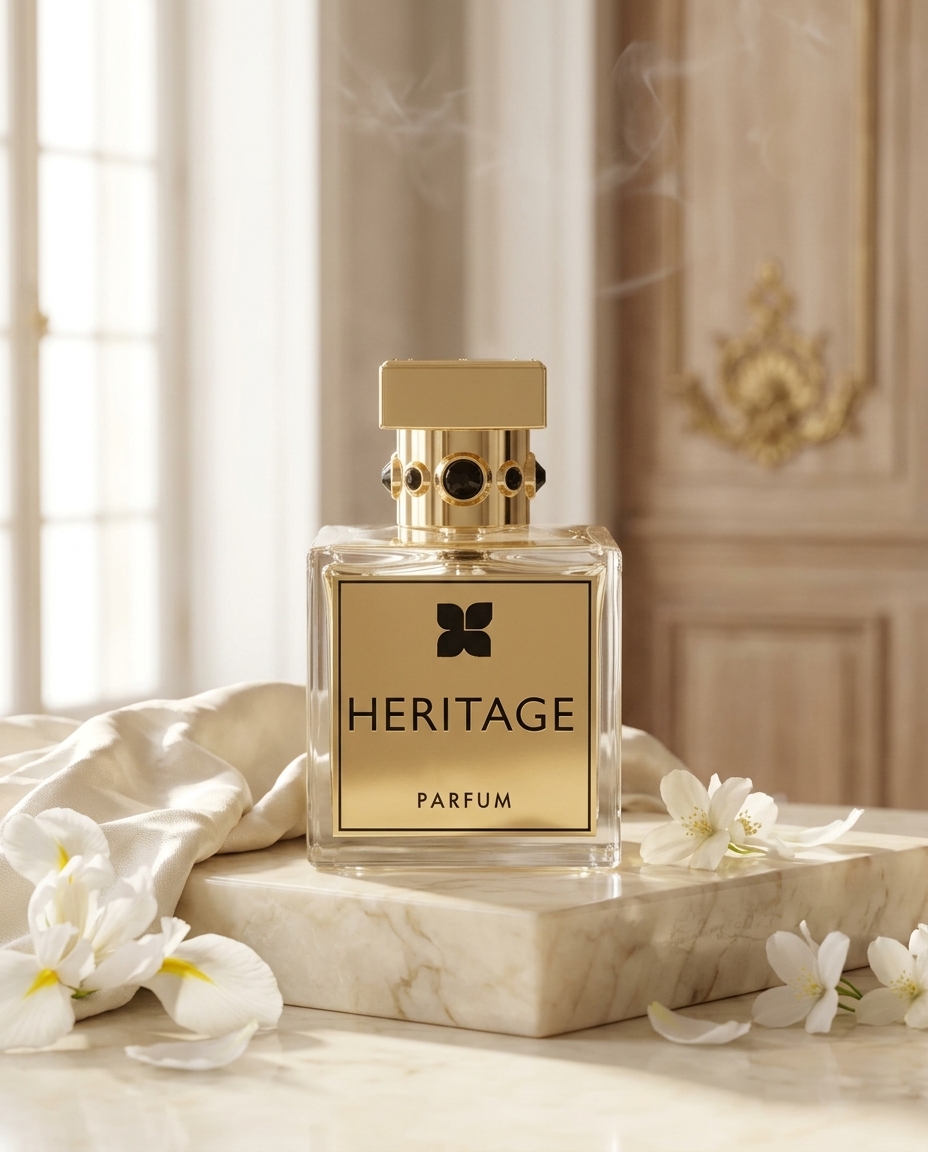
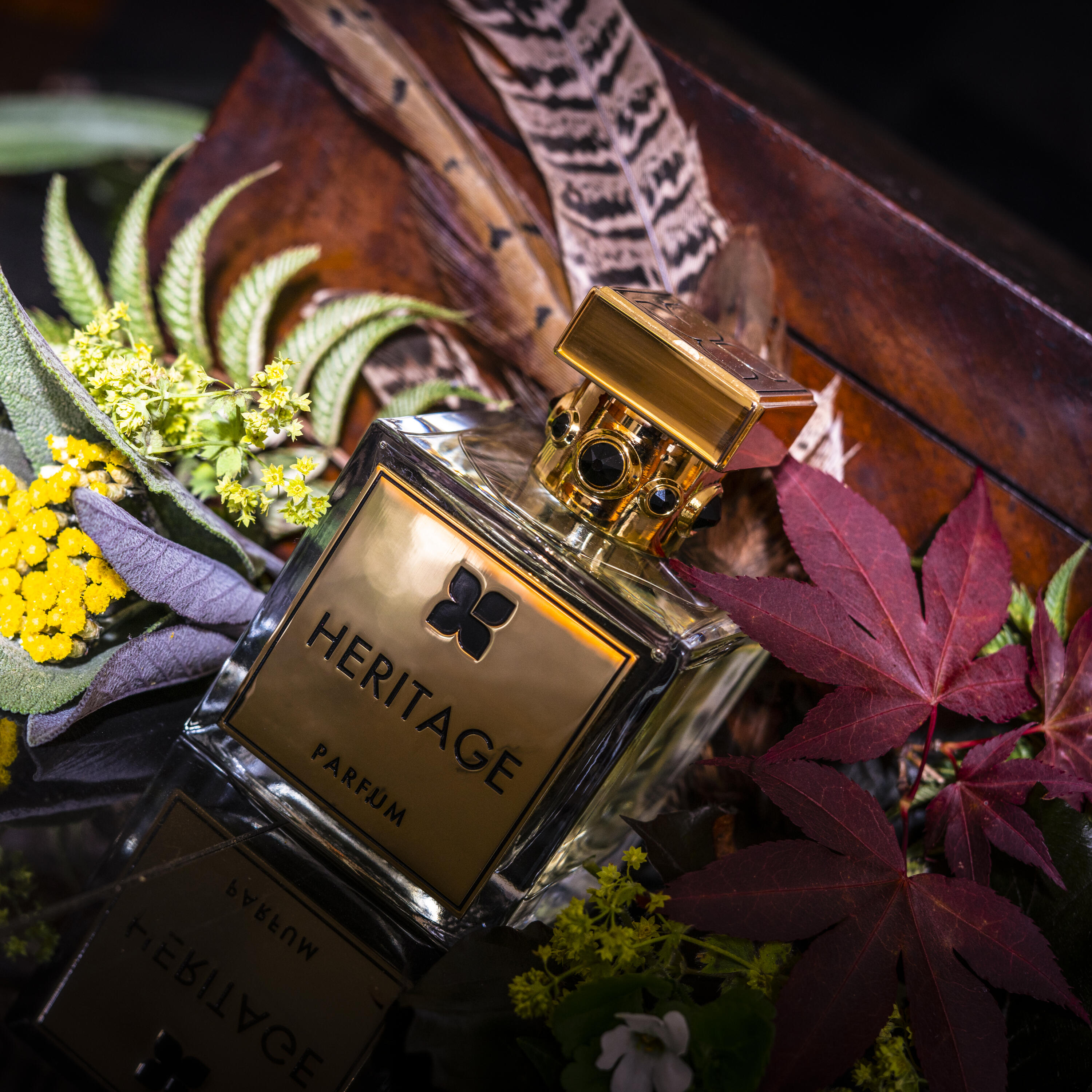
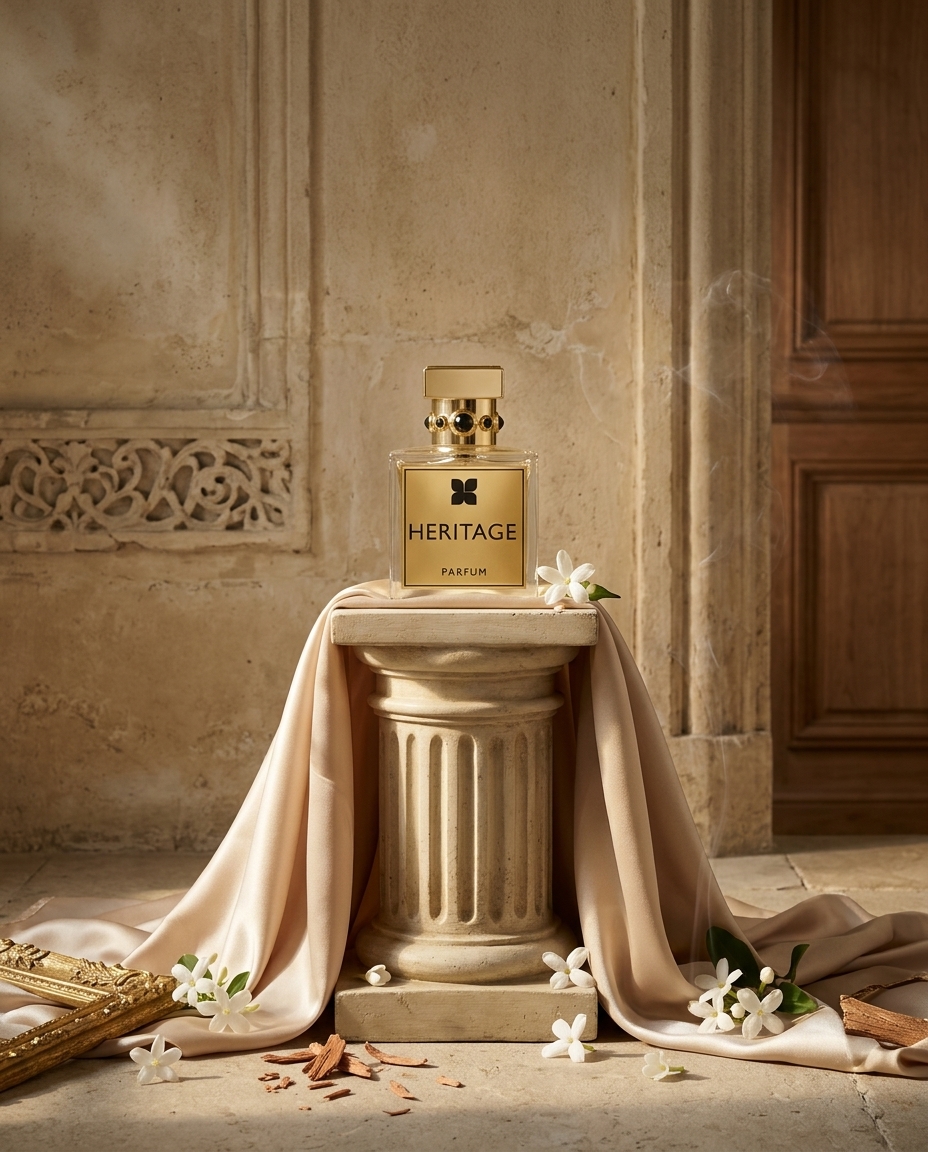 The fragrance I'd like to discuss today, Heritage, sits at the very edge of the brand's distinctly "French" olfactory territory. It's both a tribute to the great aldehydic fragrances of the past and, to some extent, a contemporary reinterpretation of the style. Oud — more precisely, Pure Organic Vintage Oud — appears in both the official notes and the formula, but its role is largely symbolic. Heritage was created by François Merle-Baudoin, a fifth-generation perfumer from Grasse whose grandfather, Raymond Chaillan, helped create Anaïs Anaïs, Opium, Opium Pour Homme, Givenchy III, Parfum d'Hermès, Boucheron Pour Homme, and many other classics. A graduate of the Roure school, Merle-Baudoin began working in his family's laboratory at the age of twelve. Many readers will also know his work for Maison de L'Asie, where nearly every fragrance has been composed either by him or by Antoine Lie.
 Aldehydic fragrances — and aldehydes themselves — remain surrounded by an astonishing number of myths. One misconception in particular resurfaces almost every time the subject comes up. Aliphatic aldehydes were among the earliest synthetic aroma molecules to be widely adopted by perfumers at the beginning of the twentieth century. As a result, it's often claimed that aldehydes make compositions abstract, blurring recognizable notes into something unfamiliar and impossible to define. The implication is that aldehydes are purely artificial materials with no counterparts in nature, smelling of something entirely invented. In reality, the opposite is true.
 Aldehydes are, of course, widely present in nature. Decanal — the well-known C-10 aldehyde associated with the most iconic aldehydic fragrance — can be found in virtually every citrus essential oil. In sweet orange oil alone, it may account for around four percent of the composition, already exceeding its concentration in Chanel No. 5. In folded citrus oils, where part of the d-limonene has been removed through fractionation, this proportion can rise to fifteen percent or even higher. Aldehydes are also abundant in coniferous plants, in the headspace of many flowers, and in coriander (recall the story of Ernest Beaux, who was struck by the distinctive freshness of Russia’s Lake Semyonovskoye, which reminded him of coriander oil). They are present in the leaves of Terminalia species, where nonanal may reach up to thirty-five percent alongside numerous other aldehydes; in Australian desert lime leaf oil, which contains around twelve percent nonanal; in the Greek endemic Cerastium candidissimum, whose essential oil contains more than ten percent nonanal; in the seeds of velvet tamarind (Dialium guineense), where nonanal may exceed fifteen percent; and in betel leaves, which are particularly rich in aldehydes.
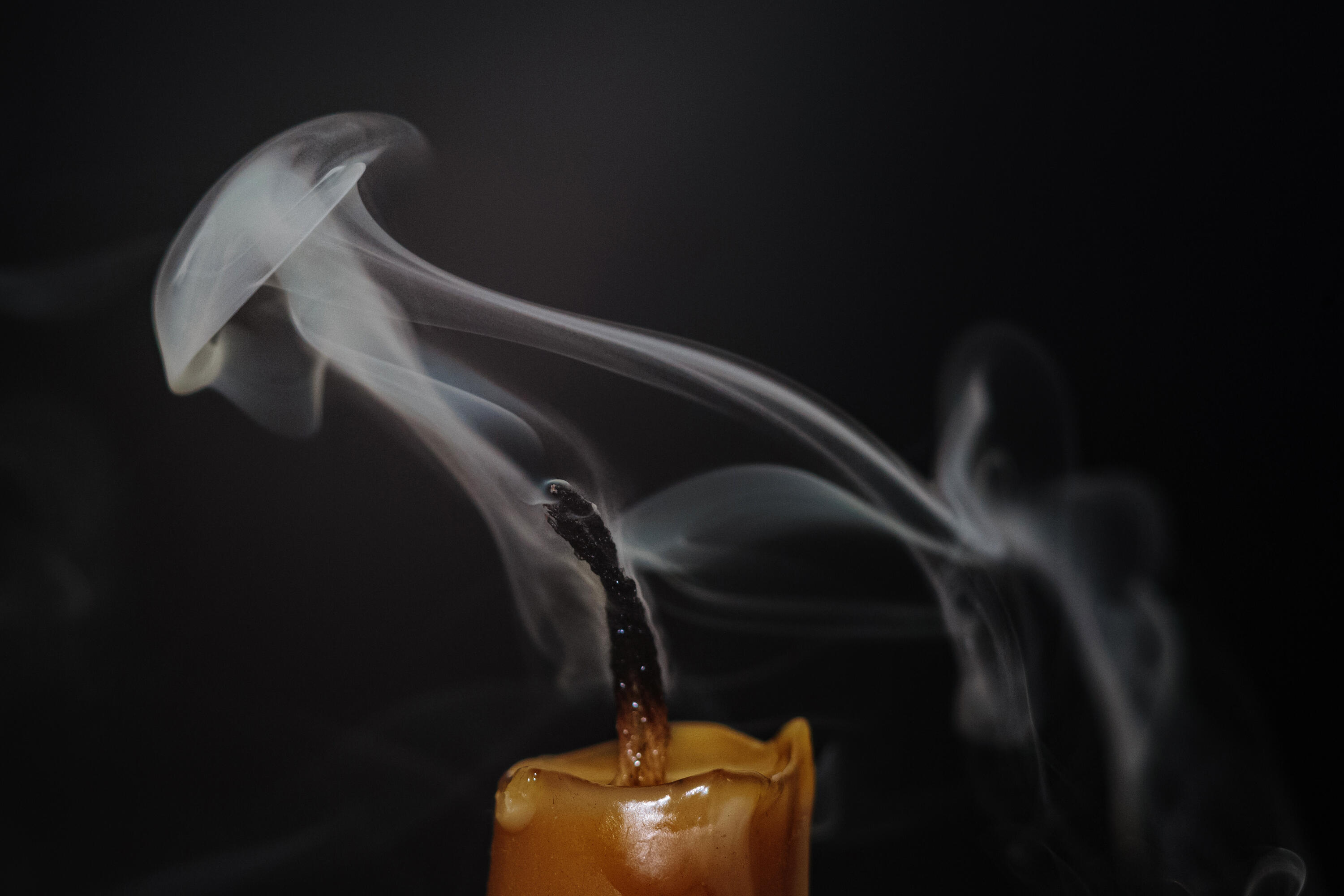
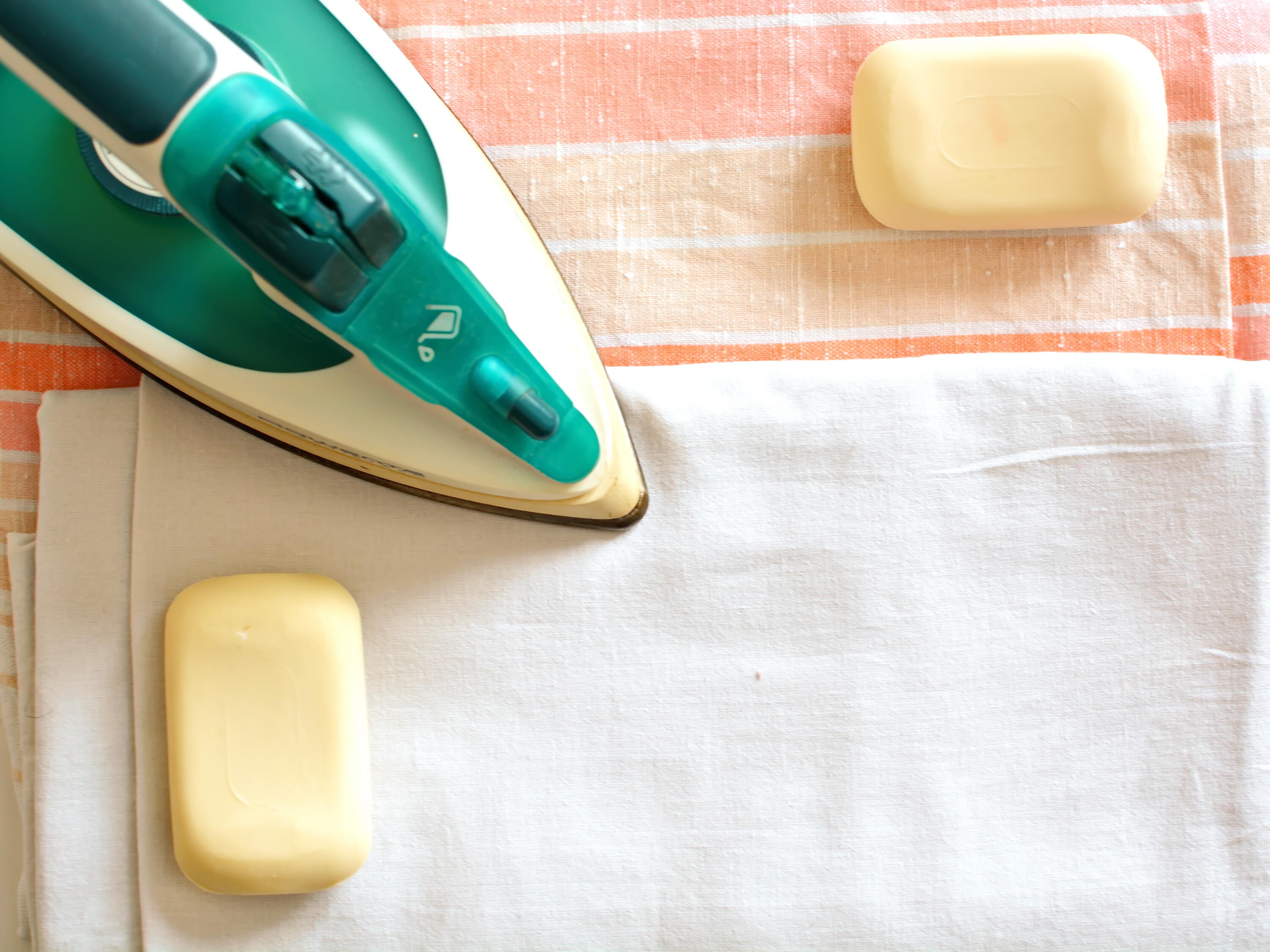 Yes, early twentieth-century chemists introduced perfumers to a number of aldehydes produced by organic synthesis. That does not mean these molecules don't exist in nature. Aldehydes have been part of perfumery for well over a century, so they could only have seemed mysterious to our great-great-grandparents. Even considered in isolation, outside the context of citrus peel or essential oils, they evoke associations that most people immediately recognize. We describe aldehydes as smelling like a candle that has just been blown out — although, more accurately, the candle smells of aldehydes produced during the incomplete combustion of paraffin. We associate them with soap because aldehydes are widely used to mask fatty odors and the inherent smell of many surfactants. The familiar scent of Nivea cream also owes much of its character to aldehydic materials. They can suggest the smell of a hot iron, for much the same reason: aldehydes are generated when materials are heated, and our noses are remarkably sensitive to them. They can evoke metal or even blood. Some people perceive aldehydes as producing a tingling, almost sparkling sensation in the nose, drawing comparisons with champagne or carbonated drinks. This isn't merely a poetic description — aldehydes stimulate TRPA1 receptors on the endings of the trigeminal nerve. In individuals with particularly sensitive TRPA1 receptors, that same mechanism can, unfortunately, trigger headaches or even migraine attacks.
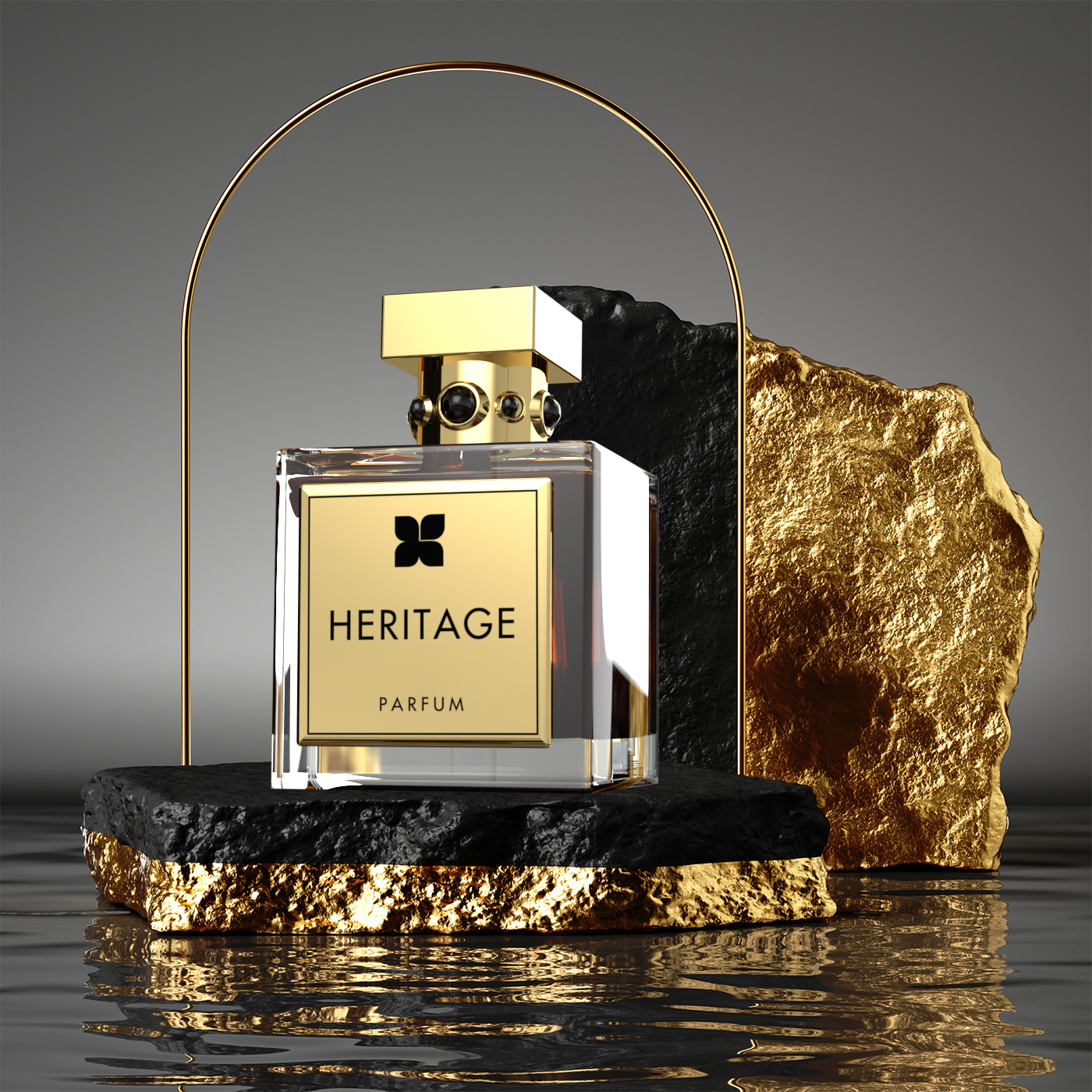 As the name itself suggests, Heritage — now celebrating its tenth anniversary — pays tribute to the great traditions of French perfumery. At its heart lies a classic jasmine-and-orris accord illuminated in the opening by sparkling bergamot. In doing so, Heritage echoes Chanel No. 5, Arpège, Liu, Le Dix, and, for many Eastern European perfume lovers, later classics such as Climat and Kuznetsky Most. It also recalls more recent fragrances cut from the same cloth, including Dia and Superstitious. In spirit, Heritage stands much closer to the true French classics than to many second-wave aldehydic fragrances or the more recent reinterpretations of the genre, such as the original L'Interdit, White Linen, Rive Gauche, Chanel No 5 L'Eau, Sortilege, CdG Soda, Metallique, Beau De Jour, Aldhèyx,Acne Studios.
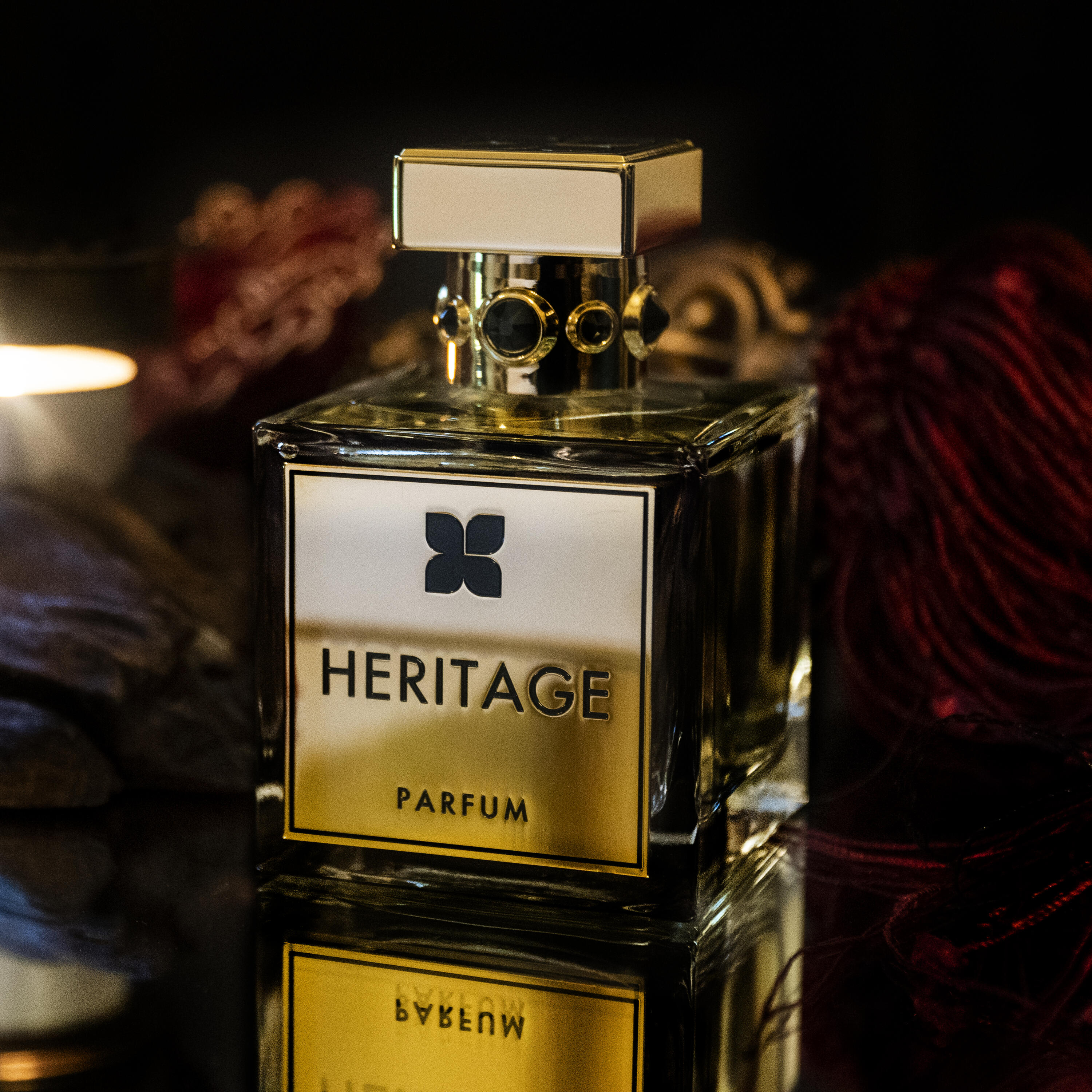 If, like me, you sometimes find yourself nostalgic for the early days of niche perfumery — and firmly believe that incense only makes a fragrance better — you'll appreciate the pairing of aldehydes and incense here. It may briefly recall Comme des Garçons 2 (especially Comme des Garçons 2 Man), Rien, and, to a degree, even Youth-Dew or the much more recent Ensang Noir. Yet Heritage consistently steers the composition away from anything overtly conceptual or deliberately provocative, returning instead to the reassuring elegance of luxurious French classicism. Today, combining aldehydes with oud is hardly unusual. Bright, volatile aldehydes lift heavier materials such as oud, enhancing their diffusion and radiance. More often than not, however, the aldehydes serve merely as a technical modifier within an oud composition. Heritage reverses that relationship. Here, the oud plays only a supporting role, adding depth to the woody base, while the aldehydes provide the structure, brilliance, and striking counterpoint to its animalic facets.
Heritage strikes a beautiful balance: it is, above all, for those who have outgrown the urge to provoke with conceptual underground statements yet still seek depth, complexity, and true perfumery craftsmanship.


